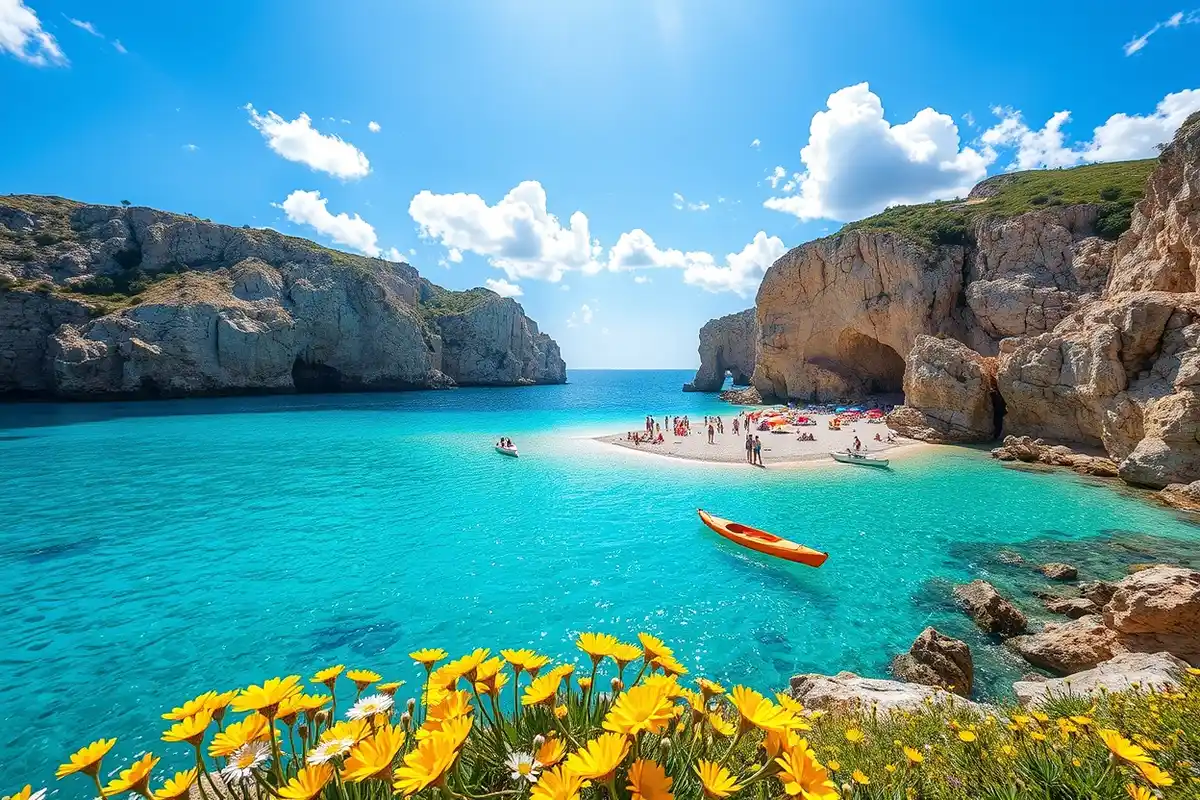
The best time to visit North or South Sardinia for beach fun and fewer crowds usually spans late May through June and September, due to warm, sunny days and pleasantly mild evenings.
—
In late spring, you’ll find the temperature in the north around 25°C, showcasing Costa Smeralda in its full splendor minus intense crowds. June along Stintino or La Maddalena Archipelago is especially appealing, with sea conditions calm enough for boat tours. In the south, expect sunny skies in Villasimius or Chia, where the sand is golden and the water is slightly warmer, hovering around 22-24°C. This pre-peak period affords more space on the shoreline and more local gatherings to immerse in Sardinian lifestyle.
Diving into high summer from July to August, the north can become busy with upscale visitors and celebrity spotting around Porto Cervo, while the south remains a favorite among families savoring the wide, tranquil beaches near Pula. By September, both regional areas calm down, the sea remains inviting at around 23-25°C, and you can easily indulge in water sports without the intense bustle. For travelers on a quest for beach serenity matched with pleasant weather, either coast in early autumn can deliver the perfect compromise between lively ambiance and peaceful respite.
Transportation Guide: A guide to getting around in Sardinia by car, ferry or public transport, between its Northern and Southern regions.
Getting around Sardinia efficiently from north to south is easiest by rental car along major roads like SS131, although buses and regional trains can be used for a slower, budget-friendly option.
—
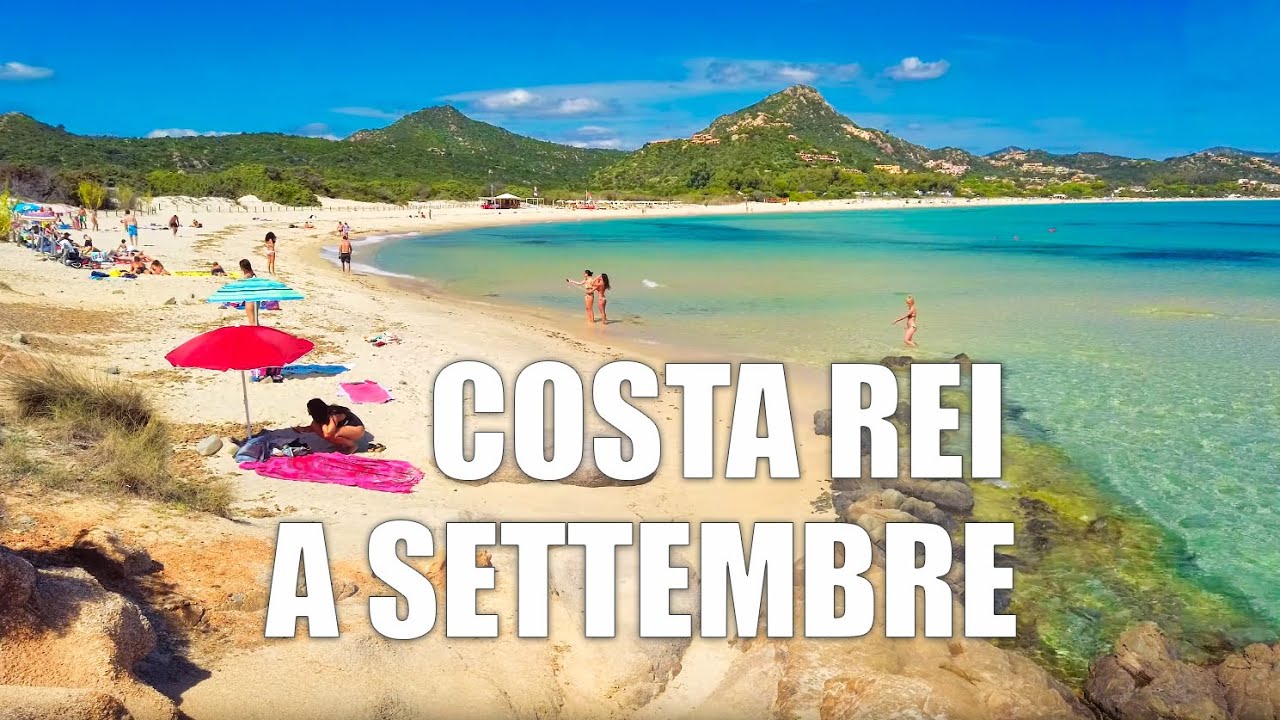
A car journey typically starts in Olbia or Alghero, crossing the island via the SS131 or other scenic routes, letting you reach hidden villages such as Bosa or Nuoro. In the south, travelers often land in Cagliari before continuing toward Costa Rei or Chia. Parking is tight in resort areas, but in inland towns smaller roads meander through rugged terrain requiring confident driving. Ferry services operate between Italy’s mainland (like Genoa or Civitavecchia) and Sardinia’s main ports (Olbia, Porto Torres, or Cagliari), letting you embark with a self-driven vehicle.
For those preferring public transport, ARST buses connect numerous towns, but expect longer travel times and multiple stops. Train lines stretch from Cagliari to Sassari, Olbia, and some inland hubs, though service can be limited outside major routes. Ferries also connect some smaller islands, e.g., La Maddalena, with daily departures from Palau feasible for day-trippers. Although it demands more planning, public travel can reward you with scenic glimpses of Sardinia’s varied countryside in a restful, budget-friendly style.
Luxury vs Authenticity: South Sardinia Traditional Charm Vs The Exclusive Costa Smeralda Experience
For a glitzy holiday, Costa Smeralda in North Sardinia delivers celebrity-style vibes, whereas South Sardinia showcases a relaxed, traditional experience rooted in authenticity.

—
The north beckons luxury travelers with high-end resorts in Porto Cervo, world-class yacht clubs, and sleek marinas packed with designer boutiques. Travelers often enjoy exquisite dining in Michelin-starred restaurants, spot celebrities at private beach bars, and indulge in exclusive nightclubs. The striking emerald waters remain a major highlight, pairing well with five-star pampering. While the region can be expensive, it reflects opulence at every corner, ideal for those craving an upscale holiday.
In contrast, the south offers a calmer Sardinian vibe, with friendly locals welcoming you to farm-to-table eateries in places like Pula or quaint B&Bs near Sant’Antioco. Here, you can step into traditional villages where folkloric customs still thrive, peruse small artisan shops, and savor organic cheeses and wines. The emphasis is on local culture interwoven with tranquil coastal escapades amid panoramic landscapes. If you cherish cultural immersion and personal connections, the southern region will inspire your heart.

Beach Comparison Guide: We discover the Top 20 Beaches in North Sardinia vs South Sardinia and find out which offers the best Water Quality, which type of Sand and which is the most Accessible.
Whether in the north or south, Sardinia’s beaches are known for crystal-clear waters and stunning scenery, though the north favors narrow coves with dramatic rock formations while the south highlights long, sweeping stretches of powdery sand.
—
In the north, iconic spots like La Pelosa (Stintino) showcase calm, turquoise shallows popular with families, while Liscia Ruja (Costa Smeralda) features rosy-hued sand that’s ideal for water sports. Rena Bianca in Santa Teresa Gallura impresses with fine, white sand and convenient facilities. Small bays near Costa Paradiso invite snorkeling amid rugged pink rocks. These northern locales often open to short hikes or boat rides, and you might need to trek a bit if you aren’t too particular.
The south flaunts epic beaches like Su Giudeu in Chia, boasting gently sloping shores and shallow waters perfect for kids. Another standout is Porto Giunco in Villasimius, a dreamlike lagoon setting with flamingos living nearby. Meanwhile, Tuerredda’s calm, transparent sea suits novice swimmers, and Poetto in Cagliari extends for kilometers, brimming with lidos and lively beach clubs. Overall, each coast promises astounding water quality and mesmerizing vistas – it’s just a matter of deciding between cozy northern coves or expansive southern beaches.
Accommodation Costs: Peak Season Price Analysis of Northern Luxury Resorts Compared With Southern Budget-Friendly Choices
Accommodation prices in North Sardinia typically rank higher due to luxury resorts, whereas Southern Sardinia features more budget-friendly hotels and rentals, especially during the peak season of July and August.
—
In the north, iconic destinations along the Costa Smeralda present upscale resorts, private villas, and boutique hotels. During the high summer, nightly rates can exceed €300 in prime locales like Porto Cervo, spurred by lavish amenities, direct beach access, and onsite spa centers. Even mid-range hotels can hover around €180-€220 in places like Baja Sardinia or Cannigione, reflecting the area’s premium status.

Down south, you’ll find more variety in lodging. Mid-range B&Bs near Chia, holiday apartments in Pula, or coastal cabins in Costa Rei can average €100-€150 per night. Family-oriented resorts in Villasimius may offer better deals, bundling meals, transfers, or activity packages. For budget-conscious travelers, local guesthouses deeper inland can drop below €80 but still maintain warm hospitality. All of these rates are affected by seasonality, and there are huge savings on early booking or off peak travel.
Food Scene Comparison: The food of North and South Sardinia: Traditional Dishes, Restaurant Quality, and Culinary Experiences
The north offers seafood specialties with a refined twist, while the south highlights rustic dishes, pastoral meats, and a mesmerizing taste of old-world Sardinian recipes.
—
In Northern Sardinia, especially near Alghero or Olbia, restaurants excel in preparing lobster with fresh tomato sauce and the famed bottarga shaved over salads or pasta. The integration of Spanish influences is evident in Catalan traditions around Alghero, introducing bright seafood soups and lively tapas culture. Upscale resorts along the Costa Smeralda cater to gastronomes with refined plating and global fusions, ensuring a stylish dinner setting at higher prices.
In the south, you’ll encounter traditional porceddu (roasted suckling pig) among the farm-to-table delights around Gerrei or Campidano. Cagliari draws visitors with its sublime fregola with clams or the local twist of pasta alla bottarga. Rural zones provide an authentic experience of Sardinia’s famed pecorino cheeses, artisanal breads like pane carasau, and hearty stews such as mazza frissa. Paired with local Cannonau or Vermentino wines, dining in the south immerses you in the region’s rustic soul and centuries-old culinary heritage.
Adventure Activities: It has Water Sports, Hiking Trails and Outdoor Experiences in both Parts of the Island.
Both North and South Sardinia thrill travelers with water sports, hiking, and outdoor pursuits, but the north excels in wind-based sports, while the south is ideal for secluded trekking trails.
—
If you head north, the coastline near Porto Pollo is revered among windsurfers and kitesurfers seeking strong breezes. The La Maddalena Archipelago also tempts kayakers with hidden coves and crystal-clear seabeds for snorkeling. Inland, the Monte Limbara massif and Gallura countryside supply well-marked hiking paths through granite cliffs and panoramic overlooks that enhance any adventurer’s itinerary.
Meanwhile, the south beckons hikers into enchanting forest areas such as Sette Fratelli near Cagliari, showcasing native wildlife and scenic vantage points. Chia and Villasimius beaches invite stand-up paddleboarding, thanks to calm waters. Even an exploration of Capo Spartivento or the dunes of Porto Pino leaves trekkers in awe of shimmering coastlines and distinctive flora. Whether you crave the adrenaline rush of the wind or a peaceful climb into nature, both regions of Sardinia deliver an unforgettable outdoor journey.
Nightlife and Entertainment: Comparing the Glamour that of Porto Cervo and the Authentic Scene that is Cagliari
Nightlife in Porto Cervo leans toward glamorous clubs and exclusive lounges, whereas in Cagliari, expect an authentic, multi-faceted scene with music bars, street life, and cultural events.

—
The north around Costa Smeralda is famed for elite discos such as the iconic Billionaire Club, catering to VIP guests and high-end cocktails. You could rub shoulders with celebrities and dance the night away until the wee hours with international DJs, despite the fact that chic beach bars are squeezed between yacht harbours. Different than many cities, Porto Cervo focuses solely on luxury experiences and nightlife is no different: upscale dress codes and higher cover charges that catapult to that next level when the sun begins to go down.
Down south, Cagliari offers a more local vibe with bars near Marina district and lively open-air cafés in Piazza Yenne. The city’s Bastione di Saint Remy frequently hosts concerts or cultural gatherings, charming visitors who prefer to mingle with local crowds. During the weekends the historical quarters of the city come out alive with live music, street performances and some laid back Aperitivo sessions. This approachable nightlife fosters a congenial atmosphere, bridging modern entertainment with a distinctly Sardinian flair.
Family-Friendly Features: Which part of Sardinia better suits travelling with children? or Teenagers
Families with kids can find child-friendly beaches and kid-centric hotels in both North and South Sardinia, though the south offers more budget-friendly and spacious shores.
—
In the north, hotspots like La Pelosa near Stintino present shallow waters but can become crowded in the peak months. Meanwhile, resorts around Santa Teresa Gallura often include family programs, supervised pools, and on-site entertainment. Day trips to places like La Maddalena can spur curiosity, letting young explorers revel in short ferry rides and scenic boat tours.
Traveling south, vast sandy stretches like Poetto in Cagliari or Chia Beach are typically less cramped, offering easy water entry and wide areas for running or assembling sandcastles. Many southern hotels near Costa Rei provide kids’ clubs, while the region’s laid-back vibe helps parents unwind. Families can also consider cultural excursions to Nora or Su Nuraxi for an educational experience. Overall, both sides of Sardinia cater to children, but the south generally presents gentler logistics and better value.
Photography Spots: Twelve Most Instagram-Worthy Locations and Natural Landscapes in North and South Sardinia
Both North and South Sardinia boast Instagram-worthy corners, from rugged coastlines in the north to sweeping dunes in the south, guaranteeing endless photo inspiration.
—
In the north, the Maddalena Archipelago stuns photographers with turquoise lagoons and dramatic pink rock formations. Driving the Costa Smeralda roads reveals vantage points overlooking sky-blue coves, perfect for landscape shots. The ancient fortress town of Castelsardo is a must-snap, highlighting medieval architecture perched on a cliff. Further west, Alghero’s Bastioni deliver magical sunsets over the sea, providing rich orange and violet hues.
The south presents equally breathtaking vistas, including the fiery sunsets over Chia dunes and the pristine sands of Tuerredda. Cagliari itself offers striking aerial shots from Bastione di Saint Remy, capturing the city’s distinctive terracotta rooftops. Inland, near Villacidro, lush mountains and waterfalls brandish a stark green contrast to the bright coastline. Whether capturing the rosy glow on Carloforte or the rustic rural roads in the Sulcis region, Sardinia guarantees visual treasures for every lens.
Wildlife and Nature: This thesis includes comparisons of Flora, Fauna, and natural parks in Northern and Southern regions.
Expansive natural parks occupy both North and South Sardinia, where you’ll encounter unique wildlife like wild boar, rare birds, and Mediterranean flora, though the north mainly features rugged granite landscapes while the south flaunts scenic marshland and dunes.
—
In the north, the Asinara National Park frames an otherworldly sanctuary for Albino donkeys and free-ranging wildlife. Surrounding areas like Gallura are distinguished by imposing granite boulders backdropped by cork oak forests. Spot mouflon or the European roller if you trek deeper into the inland slopes around Monte Limbara. Coastal meadows near Capo Testa burst with wild herbs like juniper and rosemary, giving the region its trademark fragrance.
Down south, nature lovers relish exploring Molentargius–Saline regional park in Cagliari, where flamingos gather in salt ponds. The wetlands around Santa Gilla harbor an array of birdlife including egrets and herons. Moving west, the Sulcis forest shelters centuries-old oak trees, gentle deer, and even sardinian fox species. Meanwhile, remote coves near Teulada or Porto Pino highlight dune ecosystems, where evergreen shrubs thrive in the warm climate. Each section of Sardinia retains its own signature biodiversity, ensuring eco-adventurers plenty to discover.
Historical Sites Guide: Both parts of the Island are home to ancient ruins, archaeological parks and museums.
From nuraghi to Roman ruins, the entire island hosts remarkable archaeological treasures, with famed Bronze Age sites more densely concentrated in the south while the north has prominent Nuragic complexes and medieval towns.
—
In Southern Sardinia, the UNESCO-listed Su Nuraxi in Barumini dates back 3,500 years, offering an immersive glimpse into Nuragic engineering. Along the coast, Nora near Pula exhibits Roman mosaics, a theater, and the famed Phoenician tophet. For deeper cultural context, the Cittadella dei Musei in Cagliari hosts relics from across the region, featuring Phoenician jewelry, Byzantine artifacts, and early Christian finds.
Northern Sardinia draws visitors to the Nuraghe Santu Antine in Torralba, an impressive fortress with multiple towers surrounded by a labyrinthine village. In the west, Alghero’s old town boasts Catalan-Gothic architecture and a towering 16th-century fortress. Many inland areas like Sassari or Tempio Pausania present medieval cathedrals and quaint museums highlighting local Gallura traditions. Irrespective of location, Sardinia brims with centuries of history waiting to captivate curious minds.
Yacht and Boat Tours: Looking to comparing Maritime Experiences and Island Hopping N and S.
Yachting in the north features celebrity-style cruising around Costa Smeralda and La Maddalena, while the south delivers island-hopping serenity near Sant’Antioco and Carloforte, suited to relaxed sailing or intimate boat excursions.
—
Navigate northern waters from Porto Cervo or Palau, renting luxury yachts that whisk you through shimmering archipelago channels. Stops often include photo ops at the Pink Beach of Budelli, scenic swims near Spargi, and the pristine cove of Cala Coticcio on Caprera. Gourmet dining aboard is added by some tours or aquatic high tech toys such as underwater scooters, paddleboards, and kayaks. Compared to this experience, it feels like an upscale thing, with glittering marinas, and an overall sophistication in the onboard hospitality.
Conversely, the south offers more modest tours around the Sulcis region and Carloforte, famed for its tuna fishing culture and quaint harbor. Small boat rentals explore hidden inlets along the southwestern coast, discovering sea caves or tranquil beaches near Porto Pino. In the Villasimius area, day trips provide easy access to Capo Carbonara Marine Protected Area. With gentler waters and fewer crowds, this zone allows an unhurried approach for soaking up Sardinia’s maritime majesty without the glitz of the Costa Smeralda.
Budget Analysis: A Complete Cost Breakdown for Vacations in North versus South Sardinia
A northern Sardinia getaway often inflates transport, accommodation, and dining costs, whereas a southern holiday tends to be cheaper, offering more affordable hotels and local restaurants.
—
In the north, typical resort hotels near Porto Cervo might charge €300+ nightly in summer. Dining can reach €50 per person if indulging in sea views and gourmet menus. Boat rentals or guided tours around La Maddalena can also push up expenses, though traveling off-season (May or September) may soften the price tag. Exploring scenic roads and little know coves of course makes sense but comes at a price and adds some extra convenience, since renting a car helps you to make use of it all.
Southern alternatives yield moderate hotel rates in Villasimius or Chia, ranging from €80 to €160, depending on proximity to top beaches. A regional meal might be under €25 per person, showcasing farm-fresh produce and house wine. Public transport (buses or trains) can be used for short distances at modest fares, though a rental car remains wise for exploring remote landmarks. With mindful planning, a south Sardinia trip can deliver memorable experiences without the lofty costs of the island’s northern hot spots.
Water Quality Guide: A Study in Sea Conditions and Swimming Opportunities North and South
Both north and south coasts enjoy excellent water quality, showcasing transparent seas and abundant reefs, yet the north is known for breezier conditions, while the south often has calmer, shallower waters.
—
In Northern Sardinia, local currents around Stintino or the Maddalena islands keep water pristine, making it a snorkeler’s haven. Sheltered coves shield swimmers from harsh waves, but certain areas like Porto Pollo notch up wind activity, benefiting kitesurfers more. If you want tranquil dips, pick coves oriented away from the prevailing Mistral wind.
In the south, environmental regulations near Capo Carbonara or Pula strive to maintain water clarity, ensuring a comfortable lap in shallow, clean seas. Swimmers find it easier to wade at Costa Rei or Poetto, with minimal undertows. Meanwhile, mild tides near Chia suit families and novice swimmers. Bring reef-safe sunscreen to aid conservation efforts, as both ends of Sardinia rely on delicate marine ecosystems.
Camping Options: Wild camping best sites and regulations North and South
Sardinia hosts numerous campgrounds across north and south, with scenic coastal pitches in both areas, but wild camping faces restrictions, necessitating an official campsite selection to comply with regional regulations.
—
Some of the best northern camping spots are found near Santa Teresa Gallura, dotted above dramatic rocky cliffs, or around La Maddalena where designated sites let you interact closely with the archipelago’s breathtaking environment. Well stocked mini markets, electricity hook ups, clean facilities and rather clean. Although beautiful, the inclination is for these insanely popular locations to get jam packed in the height of high season, so advance booking is wise.
Down south, coastal camps like Tiliguerta near Costa Rei boast direct beach access, kid-friendly amenities, and even dog-friendly zones. Alternatively, the dunes around Porto Pino contain smaller, basic campgrounds perfect for quiet nights under starry skies. Wild camping is mostly prohibited outside official spots, with local authorities imposing fines if caught. To enjoy the wilderness responsibly, choose a site that is recognised (you know, for helicopter drop offs etc) and which matches your predilection for natural beauty and compliance with same.
Mountain Biking Routes: North and South best trails and rental options
Mountain biking in North Sardinia revolves around coastal and granite highland tracks, while the south offers lush forest paths and rolling hills, with bike rentals available across major hubs.
—
In the north, Gallura is a paradise for adventurous riders, featuring the Monte Limbara climbs and scenic vineyard routes near Tempio Pausania. The trail network is a mix of easy, rolling trails that are good for getting started, or more challenging affairs with rocky leads and views over gleaming coasts. Alghero and its surroundings also provide routes through pine forests, finishing with an epic sea view at Capo Caccia. Bike shops and guided tours are easily found in larger towns like Olbia.
The south reveals forest-covered mountainsides, such as Sette Fratelli near Cagliari, unveiling panoramic ridges and oak groves. Closer to Iglesias, you can ride old mining roads, bridging history with nature. Gonnesa or Teulada also attract downhill enthusiasts who enjoy weaving between rugged gorges. Local bike hire is available in many villages, so it makes sense to plan ahead with one of the villages if possible to ensure that the best bikes are available. Regardless of region, the island’s diverse terrain welcomes riders of all proficiencies.
Wellness Facilities: Both Regions had a type of Spa Centres and Thermal Baths.
Travelers seeking spa indulgence will find luxury resort wellness centers in the north, whereas the south caters to any budget with thermal baths and mid-range spa hotels near the coast and inland.
—
Book an opulent wellness retreat in Costa Smeralda, where five-star resorts in Porto Cervo or Porto Rotondo provide holistic therapies, saunas, and luscious sea-view pools. Some incorporate Thalassotherapy, harnessing marine nutrients that purify and revitalize your body. It’s about seductive ambiance: tranquil reading lounges, oceanfront massage suites, skilled therapists who know their way around mind and body rebalancing.
In Southern Sardinia, the presence of natural thermal springs plus moderate spa hotels give visitors an unpretentious route to rejuvenation. Look out for the famed Sardara area, known for healing hot springs enriched with beneficial minerals. Meanwhile, certain properties around Villasimius or Pula have integrated small spa facilities, offering soothing treatments at lower tiers of luxury. Exclusive spa encounter or affordable thermal exploration, both sides have places offering amazing relaxing places easily reached to mesmerising seas.
Digital Nomad Guide: comparison of working conditions and the internet access.
Digital nomads can find co-working spots, stable Wi-Fi, and scenic backdrops in both north and south, with bigger cities like Cagliari typically offering better infrastructure, while the north has fewer but still reliable choices.
—
In the north, hubs like Olbia or Sassari present co-working lounges that cater to modern professionals, supplying decent connections and comfortable workstations. There’s a huge attraction to scheduling your lunch break by the sea, though you should be prepared for intermittent connectivity issues if you stray too far from the network in a remote seaside village. Many side-street cafés also offer free Wi-Fi, or you can rely on a local SIM card for tethering.
Cagliari, in the south, is Sardinia’s largest urban center, with multiple co-working venues, extended coffee shop hours, and consistent broadband coverage. Long term nomads find synergy between the cultural dynamism and the familiarity of stable digital infrastructure. Suburbs around Quartu Sant’Elena or even coastal sections near Poetto can host your remote office with minimal disruptions. As a result, whether you choose the energetic city vibe or a tranquil cove, workable nets and modern facilities make Sardinia a feasible location for remote professionals.
Eco-Tourism Options: In Both Areas: Sustainable Travels Experiences
Sardinia nurtures eco-tourism with rural retreats, farm stays, and low-impact tours in both north and south, supporting minimal footprints while spotlighting the island’s natural heritage.
—
Up in the north, ecologically minded travelers can opt for agriturismi near Gallura, immersing themselves in organic farming and local traditions. Activities include orchard visits, cheese-making workshops, and guided hikes with local naturalists around Monte Limbara. During hot and dry summers, you can even be part of efforts that replant native shrubs or restore footpaths. Touring the Asinara National Park by small electric vehicles or bicycles further reduces your carbon imprint.
In the south, the concept extends to eco-friendly lodging near Sulcis, championing solar-powered systems and water recycling. Rural villages around Muravera or Giba may offer cooking sessions with home-grown produce, or small group birdwatching tours along the wetlands of Molentargius. The exciting opportunities to snorkel and kayak are likewise responsible, minimally disturbing marine life. Such experiences resonate with those travellers looking for a deeper connexion to nature whilst still allowing the spell binding environment to be preserved for generations to come.
Religious Heritage: Comparison between Churches, Monasteries and Sacred Sites
Religious landmarks abound in both northern and southern Sardinia, with Romanesque churches typically gathering in the north, while the south has Byzantine influences and revered pilgrimage spots.
—
The north boasts the Basilica di Saccargia near Sassari, famed for black-and-white striped stonework and meticulously preserved frescoes. Castelsardo’s Cathedral of Sant’Antonio Abate is another standout, perched dramatically on a cliff edge. Nostra Signora di Tergu, a 12th-century gem, showcases Sardinia’s Romanesque grandeur. Monasteries tucked amid the rolling hills near Tempio Pausania preserve silent cloisters and ancient manuscripts, well worth a spiritual detour.
Meanwhile, south fosters sites like the San Saturnino church in Cagliari, recognized as one of the oldest paleochristian buildings on the island. The territory near Oristano holds Santa Giusta Cathedral, a revered spot blending 12th-century architecture with local devotion. Inland, near Laconi, you’ll discover shrines honoring Sant’Ignazio, attracting pilgrims from all over Sardinia. Encountering these sacred centers becomes a chance to delve into the depth of Sardinian heritage and worship.
Golf Courses: North and South Green Fees Comparison.
While the north hosts prestigious golf courses near luxury hotels, southern layouts offer scenic fairways at moderately lower green fees and less congestion.
—
In the north, an elite example is Pevero Golf Club in Costa Smeralda, revered for panoramic holes facing turquoise seas. Is Arenas near Oristano is often viewed as equally scenic, with pine forests and dunes, though it’s more central-west. It will include advance bookings, upmarket clubhouses and on site fine dining. Green fees usually start from upward of €100, reflecting the region’s posh status and meticulously maintained championship courses.
The south includes the pleasant Is Molas Golf Club near Pula, home to 27 holes winding through Mediterranean brush. Fees here are typically more approachable, beginning at around €70 for 18 holes in mid-season. It also has a mild climate to play all year on its less travelled fairways in the winter months. With a mixture of sea views, rolling hills and gentle microclimates, golfing here is an easy leisurely experience, whether a seasoned pro, or enthusiastic beginner.
Language Guide: Communication tips and local Dialects for the two Regions
Although Italian is widely spoken across Sardinia, you may notice slight dialect differences in the north versus the south, with Sardo and Gallurese in the north and Campidanese in the south, but basic Italian or English is sufficient for visitors.
—
Up north, it’s common to hear Gallurese, akin to Corsican influences, especially near Santa Teresa Gallura or Tempio Pausania. Locals might greet with phrases such as “Bon Dia,” but they’ll readily switch to standard Italian if needed. In tourist areas along the Costa Smeralda, many employees speak English, so communication is rarely an issue.
Heading south, Campidanese forms the prevalent dialect, scattered across rural stretches beyond Cagliari or Carbonia. Though official signage usually remains in Italian, you might detect deeper intonations or unique words. Learning a few polite lines, like “Buongiorno” or “Grazie,” fosters a warm rapport. Generally, courtesy and an effort to speak simple Italian goes a long way, winning friendly smiles and local tips.
Medical Facilities: A comparison on Healthcare Access and Emergency Services.
Planning a safe stay is easy in both northern and southern Sardinia**, as each area has access to *hospitals*, *clinics*, and *emergency* numbers, though bigger cities like Cagliari or Sassari offer more extensive services.
—
In the north, major medical centers are situated in Sassari, Olbia, and Alghero, providing emergency care and specialist units. Small towns have clinics for minor ailments, but for complexity you drive to bigger centres. Pharmacies remain well-stocked, and many staff can handle basic English queries, particularly around tourist-maritime cities.
Cagliari in the south houses a high-level hospital network, including Brotzu and Cittadella della Salute. Surrounding coastal districts like Villasimius or Pula have local clinics for immediate care, linking you to the main city if needed. The universal emergency number 112 works island-wide, ensuring assistance for medical or other urgent situations. Pack essential medications and travel insurance to guarantee peace of mind while venturing across Sardinia.
Pet-Friendly Features: Travelling with animals in Both Parts of the Island
Sardinia welcomes pet owners throughout north and south, with certain beaches, restaurants, and lodgings catering to four-legged companions, although rules on beaches vary by municipality.
—
Up in the north, upscale resorts occasionally include designated dog-friendly rooms or pampering services, while public beaches like Porto Fido near Santa Teresa Gallura and certain stretches of La Marmorata allow well-behaved pets. Many cafés around Alghero or Olbia supply water bowls, especially in outdoor seating areas. Ensure you cheque the leash requirements, and, if taking a pet, double cheque that it has all necessary vaccinations for the region.
Similarly, the south extends a warm welcome, focusing on places like Poetto in Cagliari, which has dog-friendly segments. Pet-friendly accommodations near Villasimius or Chia provide easy beach proximity. If you plan visits to national parks or archaeological sites, confirm pet rules beforehand since some areas restrict entry to safeguard wildlife or preserve historical integrity. With basic courtesy and awareness, traveling with your furry friend is a breeze on every coast of Sardinia.