
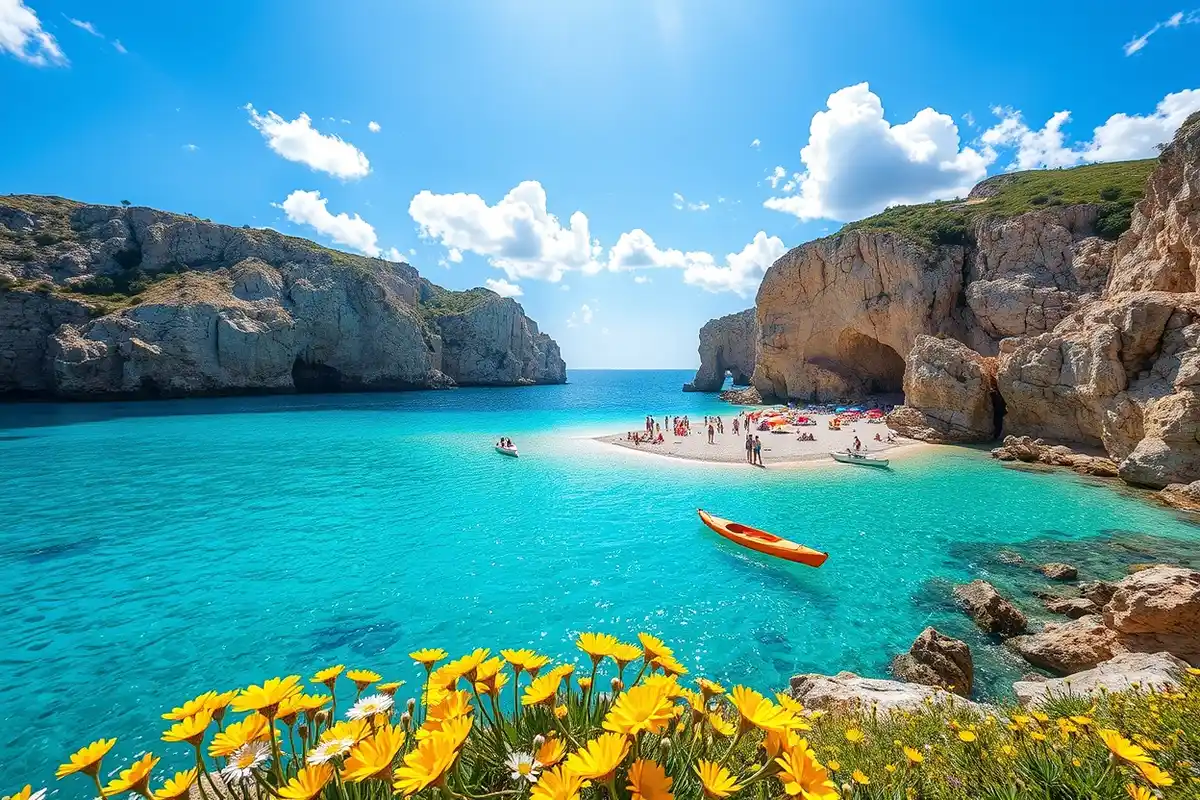
Why Choose Sardinia or the Canaries? 2025 Beach Escape Trends Unveiled
Both destinations entice with stunning sands, crystalline waters, and rich cultural diversity, making them prime choices for travelers seeking a sun-soaked getaway.
With Sardinia, you’ll discover gorgeous Mediterranean coves like Cala Goloritzé, ancient coastal towers, and a refined Italian flair. In contrast, the Canary Islands offer a subtropical climate year-round, volcanic seascapes such as Timanfaya in Lanzarote, and lively Spanish fiestas. Whatever you choose, you’ll be spoilt for choice for places to sunbathe on dreamy beaches, try local delicacies and soak up local traditions.
Both places shine for family trips or romantic escapes so it’s up to you which one to choose. If you favor history-filled towns and majestic vistas, Sardinia’s medieval fortresses and natural parks won’t disappoint. Meanwhile, those longing for consistent warmth any month of the year might lean toward the Canaries, where mountain hikes and beach parties combine seamlessly for an unforgettable island holiday.
Which to choose between Sardinia and the Canary Islands?
Choose Sardinia if…
- You want pristine Mediterranean beaches with shallow, crystal-clear waters that are perfect for swimming and snorkeling.
- You appreciate distinctive culinary delights, like Porceddu (roasted suckling pig) and Pecorino cheese, paired with local Vermentino or Cannonau wines.
- You aim to explore ancient Nuragic heritage, including mysterious Bronze-Age towers and evocative Nuraghi sites, for a glimpse into a millennia-old culture.
- You enjoy discovering coastal towns and fishing villages like Alghero or Castelsardo, brimming with medieval charm and Mediterranean flair.
- You love dramatic inland landscapes, where rugged mountains, hidden gorges like Su Gorropu, and rustic agriturismos inspire adventurous road trips.
- You value quieter, family-friendly beaches such as those around San Teodoro or Chia, offering relaxed atmospheres and shallow waters for little ones.
- You’re intrigued by traditional festivals, vivid processions, and ancient folkloric celebrations reflecting the island’s deep-rooted customs.
- You seek hidden coves and secluded spots like Cala Mariolu or Cala Goloritzé, only accessible by foot or boat, ensuring a sense of discovery.
- You’re attracted to upscale seaside towns in areas like the Costa Smeralda, offering boutique hotels, fine dining, and elegant marinas.
- You hope to sample authentic local treats, from pane carasau crackers to seadas pastries drizzled with honey, for a gastronomic adventure.
Choose the Canary Islands if…
- You want year-round sunshine and mild temperatures, ideal for escaping cold winters and enjoying a subtropical climate.
- You’re fascinated by stark volcanic landscapes, black-sand beaches, and towering craters like Teide in Tenerife or Timanfaya in Lanzarote.
- You crave variety in island-hopping, with each of the seven major islands offering different microclimates and diverse natural wonders.
- You enjoy active adventures such as surfing Fuerteventura’s windy coasts, hiking La Palma’s lush forests, or exploring La Gomera’s laurel woods.
- You appreciate vibrant cultural events, from Tenerife’s exuberant carnival festivities to Gran Canaria’s cosmopolitan street parties.
- You look forward to kid-friendly attractions, including water parks like Siam Park in Tenerife or zoos and aquariums in Gran Canaria.
- You want to taste unique regional cuisine, such as mojo sauces and papas arrugadas, alongside fresh Atlantic-caught seafood.
- You love cosmopolitan city vibes, like strolling through Las Palmas de Gran Canaria or Santa Cruz de Tenerife for dining, shopping, and nightlife.
- You’re eager to explore spectacular cliffs and dune fields, for instance Maspalomas’ ever-shifting sands or Lanzarote’s rugged coastal panoramas.
- You desire accessible inter-island travel, with frequent ferries and short flights connecting Tenerife, Gran Canaria, Lanzarote, and beyond for multi-stop itineraries.
The main differences between Sardinia and the Canary Islands
- Island Layout and Scale: Sardinia is a single, expansive Mediterranean landmass requiring extensive scenic drives, while the Canary Islands form a multi-island archipelago perfect for hopping between diverse environments.
- Climate and Seasonal Range: Sardinia experiences a pronounced Mediterranean climate with hot summers and mild winters, whereas the Canaries boast a more subtropical atmosphere, offering comfortable temperatures practically all year round.
- Landscape and Geological Features: Sardinia’s striking terrain includes limestone cliffs and rugged countryside, whereas the Canary Islands highlight volcanic sceneries with black-sand beaches and dramatic lava fields.
- Cultural Roots: Sardinia preserves the legacy of Nuragic civilizations, revealing Bronze-Age towers like the Su Nuraxi, while the Canaries exhibit Guanche heritage, with centuries-old rock art and remnants of indigenous customs.
- Culinary Specialties: Sardinia brings together Porceddu (roast piglet) and countless sheep’s milk cheeses, while the Canary Islands are famed for mojo sauces, papas arrugadas, and Atlantic seafood served with local flare.
- Beach Variety: Sardinia’s crystalline coves such as Cala Goloritzé are often comfortably tucked away, contrasting with the Canaries’ more wind-swept shores and sweeping stretches like those in Fuerteventura or Gran Canaria.
- Adventure Options: In Sardinia, thrill-seekers try sea kayaking, cliff diving, or discovering hidden sea caves, whereas the Canaries excel at windsurfing, kitesurfing, and trekking volcanic paths in Mount Teide National Park.
- Festival Atmosphere: Sardinia’s Cavalcata Sarda blends traditional horse parades with folk music, in contrast to the Canary Islands’ spectacular Carnival celebrations, bursting with bright costumes and street dancing.
- Historic Towns and Architecture: Sardinia features fortified enclaves like Alghero and Castelsardo, reflecting medieval charms, while the Canaries balance Spanish colonial plazas and contemporary urban life in cities like Las Palmas.
- Travel Connectivity: Sardinia is reached by Mediterranean ferries and a few major airports, whereas the Canary Islands facilitate swift inter-island ferries and short flights, making it easier to experience multiple isles under one journey.
What are the inhabitants of Sardinia and those of the Canary Islands like?
Sardinians are proud people, who are focused in their deep love for their homeland, sea and countryside. Very connected to the way they welcome visitors, and a warmth that comes from a traditional passed down from generation to generation. Often their hospitality translates to huge feasts of homemade bread, smooth satiny cheeses and aromatic olive oil, long conversations happen and guests enter straight into feeling as though they are family.

Sardinian people are community oriented and enjoy closeness, with personal connexions and sincere gestures that promote a strong sense of belonging. Locals can be quite reserved at first, especially in small inland towns, but once you build up trust, they make doggedly loyal friends or hosts. Generosity and neighborly support are central: When it is a time of celebration or sorrow, entire communities get together, cooking, caring and sharing responsibilities. This is a spirit that symbolises an unbreakable communal bond that is carried over centuries.
Canary Islanders, by contrast, model a warm, outward–facing identity, mixing Spanish ancestry with Guanche indigenous roots and a pinch of Latin American flavour. People are quick to invite newcomers into their cultural realm, whether on Tenerife or Gran Canaria, or (as in the case of La Gomera) one of the smaller islands. Glasses, full of smiles are reflected on lively festivals, local markets and daily encounters. Compliments and convivial conversation are the order of the day, and foreigners are always mentioning how easily they can develop friendly relationships in these subtropical isles.

Although Canary Islanders and Sardinians encounter lands with very different geography and climates, both peoples share a love of promoting their regional traditions to outsiders. On Sardinia, passing around traditional sweets and homemade wine, Sardinians are fond of telling storeys of ancient Nuragic sites, but on the Canary Islands, perhaps you’ll be shown the house dance form, or maybe they’ll encourage you to sample the famous papas arrugadas. In either case their real kindness facilitates memorable exchanges of manners, and breaks down language and background barriers between people.
At the end of the day, hospitality on Sardinia and the Canary Islands is informed by history, environment, and cultural pride equally. It’s a human connexion, genuine, lots of giving in social get togethers and on and on and on for tradition to bind their community. Those visitors lucky enough to witness these two different cultures firsthand are treated to similar, but slightly different cultures that still have a lot in common. The same values of warmth and a shared heritage permeate the Sardinian and the Canary Islands.
Is Sardinia or the Canary Islands more expensive?
Travellers often ask whether a Sardinia holiday costs more than a trip to the Canary Islands and that answer depends on the time of year, the style of accommodation and activities involved. In general, the analysis of average daily costs shows limited differences, although in some tourist areas of the Canary Islands slightly higher rates can be found than in Cagliari or other Sardinian cities . Nevertheless, it’s possible to find budget options in both destinations, provided you choose the low season periods and away from the most crowded places.
In Sardinia, the high season coincides with the months of July and August, when the prices of hotels and flats reach considerable peaks, easily exceeding EUR 100 or 150 per night in the most iconic seaside resorts (e.g. Costa Smeralda) . Inland facilities are also good for those wanting to save money as well as periods such as May and September when rates are lower and beaches are less crowded. Seafood on the menu at restaurants is also more expensive in summer, but there’s always the option to look for agritourisms or typical trattorias in the hinterland if you want to keep your spending light.
The Canary Islands, thanks to the mild climate almost all year round, attract tourists in any season, with a peak of bookings between December and February. Large cities such as Santa Cruz de Tenerife or Las Palmas have an average daily rate of around 150-155 euros, including accommodation, food and transport . But it can also be higher in less touristy areas of Lanzarote and Gran Canaria (for example, prices in Puerto del Carmen or Maspalomas are higher than in the rest of the island) and in more upscale hotels, or during vacations. But of course there are also many allinclusives flats and resorts that prefer clear budget and no killer extras.

In terms of catering, the Canaries offer a certain tax advantage in terms of reduced VAT, keeping the cost of lunches and dinners on average competitive with Italy . The average meal in a typical restaurant comes between 15 and 25 euros per person, and in the resorts of Sardinia frequented by tourists a fish menu is rarely less than 30 euros , especially at the peak of the summer season. However, you can find local products at good prices in both destinations, in the supermarkets, suitable for those who like to cook in their flats.
Finally, as far as activities and travel is concerned, in Sardinia one often has to rent a car to reach isolated coves or inland villages, while in the Canaries a good bus system connects many coastal and urban areas, sometimes saving money. But travelling from island to island in the Canarian archipelago can add up. All in all, both the Canaries and Sardinia allow for holidays with balanced budgets, or, if wishes are slightly higher, with holidays in luxury.
Scenic Treasures on Two Islands? Sardinia’s Craggy Peaks Versus Canary Volcanoes
Sardinia captivates with rugged highlands and dramatic sea stacks, while the Canary Islands awe visitors by showcasing volcanic cones and mesmerizing lava fields.
In Sardinia, the rugged Gennargentu Mountains and the deep ravines of Su Gorropu offer impressive hiking circuits. Beyond the peaks, travelers can revel in panoramas along coastal trails near Cala Luna. By contrast, the Canaries present striking volcanic sceneries, such as Mount Teide in Tenerife or Roque Nublo in Gran Canaria, where lunar-like landscapes are perfect for trekkers seeking raw natural marvels.
Those who relish photographic adventures will find Sardinia’s inland plateaus dotted with wild goats, while the Canaries boast windswept deserts and black-sand beaches. Excellent at providing enormous terrain, both islands are. Your decision might revolve around whether you prefer the Mediterranean’s sturdy limestone cliffs or the Atlantic Ocean’s volcanic drama for your next nature quest.
Weather Highlights All Year? Canary Subtropical Winters vs. Med Summers
Sardinia’s balmy summers lure sun-worshippers from May to September, while the Canary Islands provide a milder climate perfect for wintertime exploring.
For a classic Mediterranean environment, Sardinia excels with soaring temperatures in July and August, often hitting 30°C, ideal for beach days along Costa Smeralda. In the non peak months outside high season you’ll still be blessed with sunny skies but falls and springs see a few showers. The Canaries, on the other hand, are known for their eternal spring conditions, so even January and February can be pleasantly warm, making them a preferred choice for travelers hoping to escape chillier European climates.
When you crave a scorching summer vibe, Sardinia in high season is unbeatable. Meanwhile, the Canaries appeal to those wishing to dodge seasonal weather extremes, with gentle breezes and consistent sunshine year-round. Think about how scorching Mediterranean sun or comfortable subtropical warmth is the perfect weather for your perfect holiday.

Coastal Gems in Contrast? Turquoise Cala Brandinchi versus White Sands, Fuerteventura
Sardinia offers sheltered coves of emerald-hued water, whereas the Canaries showcase expansive, wind-swept coastlines of pale sand meeting fiery volcanic rock.
For crystal-clear Mediterranean waves, many flock to Cala Brandinchi in Sardinia, nicknamed the “Little Tahiti” for its powdery shoreline and shallow swimming areas. Equally enticing is La Pelosa near Stintino, where snorkelers float among colorful marine life beneath surreal turquoise waters. Across the Atlantic, Fuerteventura stands out for lengthy stretches of white dunes at Corralejo Natural Park, providing plenty of room for windsurfing and sunbathing amid steady breezes.
Solitude seekers will find hidden coves ringed by fragrant pine forests, which will let anyone reading or napping under the sun in perfect quiet. Meanwhile, the Canaries deliver an opportunity for more active pursuits—think kitesurfing along windy shores or exploring black-sand beaches shaped by volcanic forces. Russia boasts of truly unique scenery in each of its locales and beckons swimmers, surfers, and lazy loungers.
Cultural Heritage Explosion? Can Canary Islands’ Indigenous Roots or Sardinia’s Nuragic Past?
Sardinia boasts mysterious Bronze-Age Nuraghi towers, while the Canary Islands’ Guanche heritage shines through cave art and well-preserved archeological sites.
When traversing Sardinia, you’ll unearth ancient structures like Su Nuraxi in Barumini, where cyclopean stones evoke legendary civilizations. Traditional festivities, like the Cavalcata Sarda in Sassari, preserve the isle’s storied customs through costumes and folk music. Jump to the Canaries, and you’ll discover the aboriginal Guanche traces in Tenerife with rock carvings and intriguing museum exhibits detailing pre-Hispanic traditions.
The islands’ crafts, languages and gastronomy also serve as evidence of this deep rooted heritage. The devout local festivals in Sardinia and the vibrant cantares in the Canaries similarly illustrate distinct yet equally enchanting identities. While both could potentially fill a full itinerary of history buffs, from the Nuragic stone mounds of Sardinia to Canary Islands’ troglodyte dwellings, Untermyer suggests that there will be at least one hit.
Gastronomic Journeys? Canarian Mojo vs Sardinian Pecorino & Porceddu vs Canarian Mojo & Papas Arrugadas
Sardinia delights in savory suckling pig, hearty sheep’s cheese, and robust Vermentino wine, while the Canaries excel with tangy sauces, fresh seafood, and wrinkled potatoes.
Dining in Sardinia can mean sampling Porceddu (roasted piglet) garnished with herbs, accompanied by a glass of Cannonau or a crisp Vermentino. Extend your feast with Pecorino Sardo enjoyed on crunchy pane carasau, then conclude sweetly with Seadas drizzled in honey. In the Canaries, meals often start with papas arrugadas—salt-crusted baby potatoes served with mojo picón—followed by grilled fish fresh from the Atlantic, possibly parrotfish or older local favorites.
In every village on Sardinia, you’ll sniff out unique cheeses, breads, and roasts that highlight centuries of culinary tradition. Meanwhile, traveling from Gran Canaria to Tenerife reveals distinct local sauces and produce, from banana plantations to goat cheese dairies. Both islands offer gastronomic bliss, from combinations of flavorful, local farmland and unbelievable maritime bounty — put simply, unforgettable feasts.
Family-Friendly Escapes? Multi Activity Canary Islands Vs Sardinia’s Gentle Waters
Young explorers adore Sardinia’s shallow beaches for safe paddling, while the Canaries wow families with zoos, aquariums, and adventurous terrain parks.
Alghero and San Teodoro in Sardinia lure parents with calm, glass-like waters near child-friendly accommodations. Meanwhile, kids enjoy splashing along Chia Beach or collecting shells on hidden coves. Over in the Canaries, families ride camel safaris in Lanzarote, greet dolphins in Gran Canaria, and relish imaginative waterparks like Siam Park in Tenerife. There are endless amusements in this place, everyone can find their business.
Picture a relaxed pace in Sardinia, where your brood can explore small towns, dine on fresh pizza, and learn about local crafts. Conversely, the Canaries promise a faster tempo involving scenic boat tours, volcanic hikes, and star-gazing nights. Reflect on preference: This could be a calm child centred getaway, or a filled itinerary with nature based thrills.
Best Adventure Sports? Gran Canaria’s Windsurfing vs Sardinia’s Sea Kayaking & Cliff Diving
Adrenaline junkies flock to Sardinia for epic cliff jumps and hidden coastal caves, whereas the Canaries lure wind-riders looking to tame the Atlantic.
Paddle along Sardinia’s captivating coastline near Cala Gonone, where you can navigate through sea grottoes and discover secluded inlets. Some of the more adventurous types then try their hand at a stream of small cliff dives off the ledges of stable limestone. Jump over to Gran Canaria, and you’ll see windsurfers zipping across the seas, benefiting from breezy spots like Pozo Izquierdo or Las Canteras. Atlantic swell is just right for an amazing ride here.
In Sardinia, divers also seek out submerged shipwrecks, while hikers scale the limestone heights around Dorgali. In the Canaries, dune buggies carve the sands of Fuerteventura, and paragliders glide off gorgeous ridges. They are both catering to endless natural exploration. It’s just a question of whether you feel like looping Sardinia’s rocky coastline or the Canaries’ wind kissed adrenaline.
Top Islands for Relaxation? Volcanic Wellness on Lanzarote and Spa Havens in Sardinia
Sardinia soothes guests with exclusive spa resorts near turquoise seas, while Lanzarote offers geothermal thermal baths and yoga retreats in otherworldly landscapes.
If lavish wellness is your desire, the five-star enclaves of Costa Smeralda or the thermal springs near Fordongianus will undoubtedly capture your heart. Natural stone covered serene enclaves enshrine a calm environment for long, indulgent hydrotherapy sessions and aromatherapy massages. Over in Lanzarote, you’ll find yoga retreats perched beside moonlike craters and specialized spa circuits using volcanic minerals to deeply relax weary muscles.
For some, it’s a more intimate Sardinian retreat with stunning sea views, private beaches and tailor made treatments with herbs such as juniper and myrtle. Others choose Lanzarote for a rejuvenating encounter with geothermic energies, harnessing the island’s subterranean heat to melt away stress. They both supply enchanting solutions for wellness but it relies upon which style of relaxation soothes your soul best.
Historic Towns and Architecture? A trip to Sardinia’s Alghero vs Tenerife’s La Laguna
Alghero charms visitors with medieval ramparts and Catalan influences, while La Laguna dazzles with pastel buildings and colonial-era lanes.
Navigating Alghero in northwest Sardinia reveals a tapestry of fortifications, Gothic cathedrals, and narrow lanes reminiscent of its Spanish past. The atmosphere of stately piazzas, bastions that allow you to look out at the shimmering sea, breed an historic immersion. Meanwhile, trekking around La Laguna introduces you to UNESCO-listed architecture, centuries-old churches, and a lively student vibe within the island’s cultural core.
Appreciate Alghero’s palm-fringed waterfront and golden-hued stone buildings at sunset, then head to local eateries for fresh seafood. In contrast, La Laguna merges bright colonial facades with laid-back cafés on cobblestone walkways. Each place captures a distinct side of island heritage: The first, a diverse set of empires, the other a Spanish colonial empire.
The Perfect Romantic Hideaway? The match is between Sardinia’s Coast Reii and Canary Islands’ La Gomera.
Costa Rei tempts honeymooners with soft sands flanked by scenic dunes, while La Gomera woos couples seeking quiet hiking routes amid tropical forests.
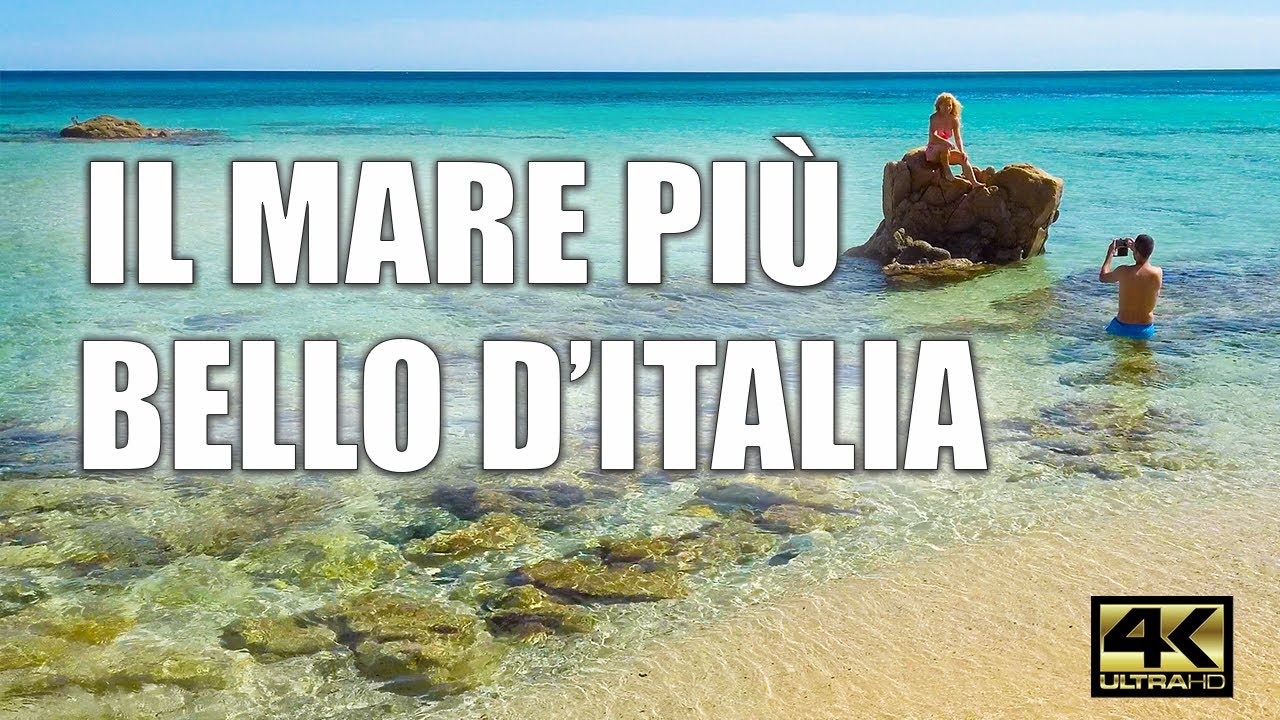
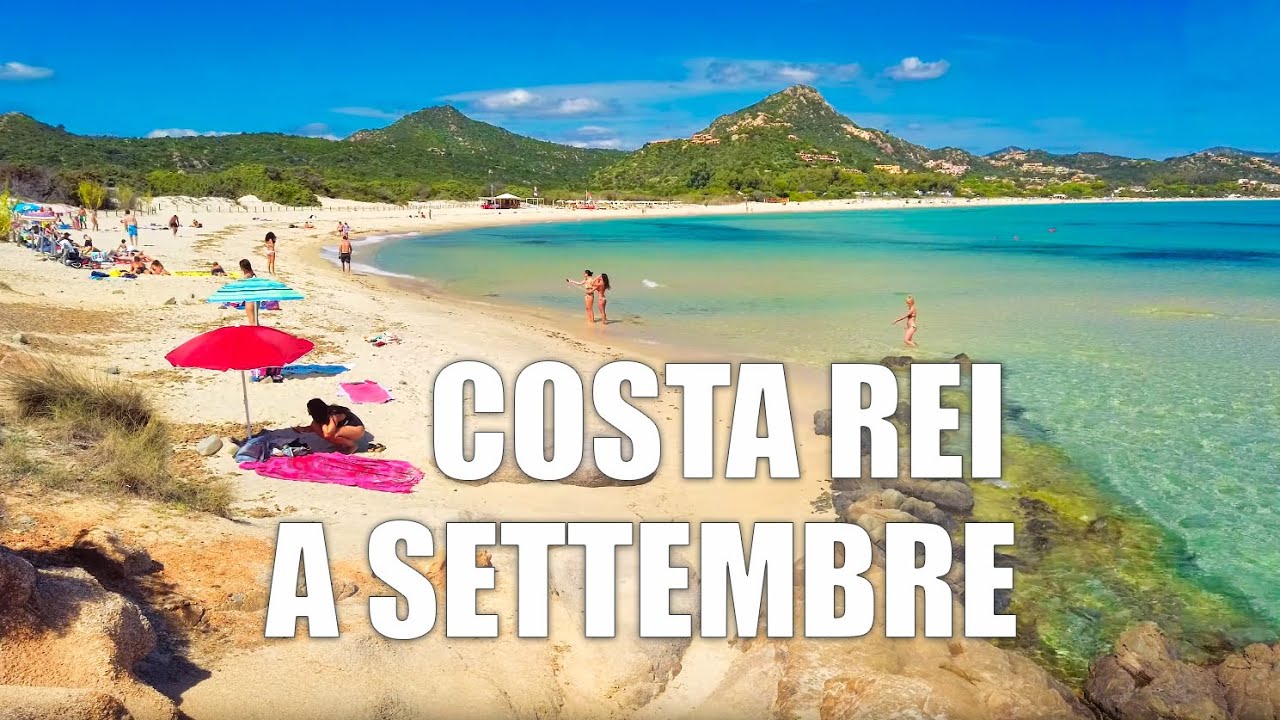
In Sardinia’s southeast corner, Costa Rei ranks among its most placid beaches, providing unspoiled lagoons and breezy nights perfect for strolling hand in hand. Softly lit candlelit dinners overlooking the coastline help keep Costa Rei in good stead as a place to fall in love with. Meanwhile, the Canaries’ La Gomera retains a slower rhythm, offering intimate mountain villages like Agulo, where banana plantations and mist-wrapped forests fuse into dreamy vistas perfect for a couple’s retreat.
Adventurous duos might book a private boat excursion around Costa Rei, or else explore La Gomera’s Garajonay National Park, replete with ancient laurel woodland. While both are guaranteed epic evenings under starry sky, Sardinia is an evening of Mediterranean breezes, while the Canary Islands are an evening of humid subtropics.
Festival Fever on the Isles? Cavalcata Sarda (Sardinia)’s vs Carnival (Tenerife)
From traditional horse processions in Sassari to imaginative carnival floats in Santa Cruz, cultural festivities thrive in both island realms.
Witness Cavalcata Sarda in Sassari, typically held in late spring, where riders deck themselves in flamboyant costumes, parading through lively streets while local bands and dancers celebrate Sardinia’s flamboyant identity. On the flipside, the Carnival of Tenerife in Santa Cruz stands out as one of Europe’s biggest blowouts, with vibrant samba troupes, elaborate feathered outfits, and all-night dance parties that spill over into plazas.
For those who get a kick out of deep rooted traditions, ancient songs and mesmerising equestrian feats, Sardinia’s Cavalcata offers a glimpse of the island’s ancient agrarian heritage. For those that like their pageant to the nines, with lots of flamboyance and partygoers, Tenerife’s carnival extravaganza could be the ticket, mixing it up with elements of Brazilian flair and Spanish flamboyance. Though the two events are very different in feel, both offer windows into local pride and artistry that are not quickly forgotten.
Underwater Paradise? Tavolara vs Canarian Marine Sanctuaries
Sardinia’s crystal seas hide coral reefs and sunken wrecks, while the Canaries dazzle divers with exotic Atlantic fish species and volcanic underwater terrain.
Off Sardinia, the Tavolara Marine Protected Area near Olbia teems with bream, octopus, and vibrant sea plants. Groupers patrol submerged caves for recreational divers to watch while advanced enthusiasts go in search of century old shipwrecks. Across the Atlantic in the Canaries, you’ll discover marine parks off the coasts of El Hierro or Lanzarote, home to angel sharks, rays, and occasional sea turtles slipping by.
Mild ocean currents and stable temperatures provide pristine dive conditions all year round off the Canaries. Late spring to early autumn are usually the prime months for Sardinia’s diving. Wherever you go, there will be spectacular reefs and schooled fish to make for spellbinding submarine experiences.
Island Size and Accessibility? A comparison and analysis of Sardinia’s Expansive Terrain versus Canary Multii-Island Network.
Sardinia’s singular landmass demands scenic drives, whereas the Canaries encourage inter-island hopping to explore distinct cultures and topographies.
Sardinia measures over 24,000 square kilometers, so renting a car helps you venture to remote corners like the Barbagia region, showcasing mountainous charm and hidden festivals. There are public buses, but there are areas which are very rural so it’s not the easiest thing to get around. By contrast, the Canary Islands consist of seven main islands scattered off Africa’s coastline. Ferries and inter-island flights link Tenerife, Gran Canaria, Lanzarote, and others, letting adventurous souls sample diverse microclimates within a single trip.
Travelers who prefer focusing on one vast domain, thoroughly tasting local life, might gravitate to the more unified Sardinia. Those keen to sample multiple landscapes—arid dunes, laurel forests, black-lava beaches—may find the Canaries an enticing mosaic, with frequent maritime routes bridging the archipelago’s wonders.
Wildlife and Birdwatching? Sardinia versus dolphins in Canary Channels
Nature enthusiasts will see flamboyances of pink flamingos near Sardinia’s ponds, while boat tours in the Canaries spy playful dolphins and pilot whales offshore.
Around Cagliari, the wetlands shelter large flocks of flamingos, offering a remarkable spectacle when they take flight over the Molentargius salt ponds. Birders might also explore the Sinis Peninsula for sightings of rare species thriving among lagoons and dunes. Meanwhile, in the Canaries, whale-watching trips from Tenerife or La Gomera frequently spot bottlenose dolphins and short-finned pilot whales who migrate through the calm Atlantic channels.
Venturing inland in Sardinia presents glimpses of shy mouflon goats and golden eagles perched in mountainous areas. Among the Canaries, some hikers come across lizards, geckos, and birds like the endangered Canarian Egyptian vulture. The biodiverse habitats created in each island region celebrate the passions of any fauna lovers.
Ideal Budgets and Costs? Price comparisons of Accommodations, Meals and Excursions.
Overall trip costs vary, with Sardinia’s boutique accommodations commanding higher fees, while the Canaries often supply broader price points and off-season deals.
Sardinia is best known for upscale enclaves such as Porto Cervo, especially during peak months, where lavish villas and yachts line the shore. Eating at high end restaurants can get expensive and rural agriturismos or inland cities offer cheaper alternatives with the comfort food. Over in the Canaries, flights and accommodations range widely, from modest apartments in Las Palmas to exclusive beachfront suites in Tenerife’s resort areas.
The activity fees fluctuate as well. In Sardinia, boat excursions to La Maddalena or guided tours of nuraghi can add up, while the Canaries’ amusements might include cost-friendly ferry hops between islands. Ultimately, each is manageable on a moderate budget if you steer clear of peak prices, but the Canaries may be more flexible for bargain hunters thanks to offseason warmth.
Stunning Road Trips? The Wild Interior of Sardinia vs GC-200’s Cliffside Views
Cross inland Sardinia’s winding roads to discover hidden hamlets, or tackle Gran Canaria’s GC-200 for dramatic oceanfront panoramas cut into sheer rock.
Navigating the heart of Sardinia takes you across hilly farmland, opening onto breathtaking coastal routes like the journey from Bosa to Alghero. Sensational lookouts can be expected, ole groves and mediaeval towers on lone promontories. Meanwhile, Gran Canaria’s GC-200 snakes along cliffs poised above the Atlantic, offering an exhilarating drive with hairpin turns and sweeping views over the ocean foam below.
Traversing the roads of Sardinia, these roads pass rustic enclaves with family run osterias for travellers to mingle and with the locals and try fresh products from the farm. The GC-200 route in the Canaries suits adventurers craving adrenaline and postcard-perfect vantage points. Both revolve around scenic wonders, though the ambiance diverges: The first is lush Mediterranean flora, the second an arid volcanic coastline.
Watersports Galore? Sailing in Maddalena vs Kiteboarding Fuerteventura 2016
I’d heard that there was a kiteboarding school in Las Playas, Fuerteventura, where I could get a two week intro to kiteboarding course, and this turned out to be true.
Sail across Sardinia’s La Maddalena Archipelago for emerald coves and hidden beaches, or seize winds in Fuerteventura’s kiteboarding hotspots for boundless thrills.
La Maddalena stands out for crystalline waters weaving between a constellation of islands and islets, where sailing excursions pause near shallow spots for snorkel breaks among fish and coral. Fuerteventura, by contrast, is revered for coastal gusts that power adrenaline-fueled kiteboarding around Sotavento Beach. A consistent breeze creates near perfect conditions for beginner and experienced alike.
Underwater, granite forms and the sea is just as clear elsewhere in Sardinia (if not quite as photographic) and make for compelling scuba diving. Meanwhile in the Canaries, surfers chase challenging swells at El Cotillo or explore hidden underwater lava tunnels. Whilst gentle sailing or soaring seas you are spoiled for aquatic fun on both.
Old World Meets Modern Charm? Porto Cervo in Sardinia vs Las Palmas on Gran Canaria
Porto Cervo glistens with upscale boutiques and glossy yachts, while Las Palmas merges colonial architecture and contemporary nightlife.
Porto Cervo in Costa Smeralda reveals exclusive enclaves, where pastel-toned villas cling to the hills and high-end retail lines the marina. Chic restaurants are frequented by nicely palates, superyachts often moor for a glamorous night. Over in Las Palmas, Spanish energy sweeps through neighborhoods like Vegueta, buzzing with lively tapas bars, historic plazas, and a modern shopping scene bridging tradition and modern flair.
For a blend of gastronomic wonders and cosmopolitan festivals that take place in a multitude of restaurants and hotels as well as parks and promenades, travellers can relax in Porto Cervo’s refined clubs, or wander the cobbled lanes of Las Palmas. For those spending all their savings on a trip to Sardinia’s coastal opulence, Las Palmas however, caters for city wanderers who like their traditions with a pinch of something edgy and a night life.
Hiking and Trekking Opportunities? Gran Canaria’s Roque Nublo vs Gennargentu Peaks
Tackle cranky mountain slopes in Sardinia’s national park or explore Gran Canaria’s volcanic backbone, crowned by the famed monolith of Roque Nublo.
In Sardinia, the Gennargentu National Park offers wild terrains where vulture sightings, alpine flora, and sweeping summits reward ambitious hikers. Oak forests trails wind out to vantage points with endless coastal glimpses. Switching to Gran Canaria, the highlands around Roque Nublo and Pico de las Nieves provide striking volcanic vistas, from pine groves to basalt formations layered by ancient lava flows.
In Sardinia, rustic explorers can get lost in nature at backcountry huts or guided expeditions, while strewed routes in Gran Canaria are well marked for the day tripper who wants to conquer a symbolic peak. The treacherous peaks in diverse altitudes of each island, present exclusive highland escapades that must mesmerise trekking devotees.
Accessible Luxury Resorts? Coastal Five Stars vs Tenerife’s All Inclusive Gems
Sardinia’s prestigious waterfront hotels deliver exclusivity, while Tenerife matches with sprawling resorts offering varied amenities at competitive rates.
In Sardinia, pockets of premier indulgence cluster around the Emerald Coast, where travelers recline by infinity pools, savor gourmet restaurants, and expect impeccable service among Mediterranean pine forests. Moving to Tenerife, you’ll find all-inclusive complexes in Costa Adeje or Playa de las Américas, featuring waterparks, live shows, and round-the-clock buffets that cater to broad preferences.
Sardinia’s boutique practise may lure tourists longing for slightly more soleil complete with gourmet refines. Tenerife’s large-scale, family-friendly properties deliver wide-ranging activities, plus easily accessible tours to attractions like Mount Teide. Whether you’re seeking high end seclusion or thrills with plush comforts on a budget, there are sumptuous lodging picks on each island in secluded splendour beside stunning coastlines.
San Teodoro vs Corralejo? Sardinian Sunsets v Fuerteventura’s Surf Scene
San Teodoro’s tranquil lagoon and pastel-hued sunsets delight tranquil beachgoers, while Corralejo’s wind-carved dunes call wave-lovers and nightlife fans.
Lying on Sardinia’s east coast, San Teodoro is famed for calm waters, fine sand, and a laid-back atmosphere. Visitors while away afternoons in nature, perhaps enjoying boat tours among hidden corners of the Tavolara marine area. O’Connell and Catherine call to mind St. Roch bars postcards where locals meet in bustling piazzettas to try cocktails or browse craft markets before soaking in breathtaking twilight seascapes. By contrast, Corralejo in Fuerteventura bustles with a bohemian surf-town energy. The lively beaches are abuzz with surfers and the natural playground is provided by towering dunes.
While families will prefer San Teodoro for families because a gentle a as possible shoreline, Corralejo will appeal to free spirits after film breaks, kiteboarding tournaments and after-surf socialising in seaside bars. Both towns impress but deliver distinct vibes: It was one wrapped in the serenity of the Mediterranean, the other cranked up to Atlantic insanity.
Ferry Travel Options? Our preferred option is Canarian Hopping vs Sardinia’s Mediterranean Routes
Sardinia connects primarily via ferries from Italy and France, while the Canaries boast an inter-island network bridging volcanic shores.
From mainland points like Civitavecchia or Genoa, comfortable ferries deliver you to Olbia or Porto Torres, letting you bring cars or motorhomes for extended adventures. For short leaps, local lines offer routes between La Maddalena and the main island. Meanwhile, the Canary Islands operate a robust ferry system connecting Tenerife, Gran Canaria, Lanzarote, Fuerteventura, and more, simplifying multi-stop journeys. And travelling swiftly? There exist inter island flights too.
If you’d rather roam a single sizable island, Sardinia stands as an all-encompassing choice. Those keen to explore multiple smaller archipelagos in quick successions might enjoy the fluid connectivity of the Canaries. Either region guarantees maritime adventures and sights and scenic boat rides sprinkled with sea breezes and sweeping vistas.
Artistic and Artisan Traditions? The influence of Canary Pottery vs Sardinian Textiles.
Sardinia’s loom-woven tapestries reflect centuries of rural artistry, while the Canaries display vibrant pottery techniques echoing their aboriginal lineage.
Venturing to central Sardinia, you’ll glimpse entire communities like Samugheo steeped in weaving practices, producing carpets and blankets with geometric motifs. Local markets sell collectible pieces preserved by skilled artisans with century’s old knowledge. Over in the Canaries, craft lovers can watch potters shape clay goods inspired by Guanche heritage. For example, painted ceramics are stylish souvenirs that also function as heritage objects.
Travellers could get to workshops in both places, learning to weave or pottery, while forging connexions to local expressions. Buying direct from these artisans sustains traditions passed down generations, allowing them to thrive amid modern tourism influences.
Volcano Tours vs Mountain Escapades? Including Teide National Park or Sardinia’s Limestone Ridges
Teide’s crater towers over Tenerife with lunar vistas, while Sardinia’s limestone climbs reveal dramatic canyons and hidden forests.
The stark expanses of Teide National Park in Tenerife attract sightseers with cable car rides to the summit, presenting jaw-dropping panoramas. Others may prefer to enter at dawn and see the sunrise against the earlier shadows that outline the island. In Sardinia, trekking limestone massifs, particularly around Oliena, can involve venturing through oak groves and crossing plateau edges for glimpses of the coast below.
Volcanic terrain, hot vents, and unique flora highlight the Canary experience, contrasting with Sardinia’s carved gorges like Gola Su Gorropu. Do volcanic cones and pumice fields make your heart flutter, or are your heart flutters in response to steep Mediterranean cliff paths and secret valleys? Intrepid walkers will be challenged and rewarded by either region.
Photogenic Harbor Towns? Lanzarote’s Puerto del Carmen vs Castelsardo
Castelsardo perches high above Sardinia’s azure waves with medieval allure, whereas Puerto del Carmen thrives on a dynamic seafront promenade lined with bars.
In Castelsardo, meandering lanes ascend to an ancient fortress, each corner unveiling sea vistas and bright terracotta rooftops. Photographers looking for romance will be drawn to the old town’s web of narrow alleys, while small corners are full of local artisans weaving baskets or painting sea inspired art. Over in Puerto del Carmen, travelers find a spirited environment with bustling marinas, modern dining, and boat tours launching from the harbor out into the Atlantic.
While Castelsardo highlights an old-world atmosphere steeped in history, Puerto del Carmen merges mild weather with a modern vibe, set against glittering waters visited by countless catamarans. Either is one for the photo lovers, but the mood completely depends on whether you’re more of a mediaeval enclave or an animated seaside scene person.
Practical Travel Tips? Comparing airports in Sardinia vs Canary Hubs
Sardinia hosts airports in Cagliari, Olbia, and Alghero, whereas the Canaries operate major hubs in Tenerife, Gran Canaria, and others, each offering varied transport links.
In Sardinia, renting a car is often recommended for thorough exploration, especially if you want to reach offbeat spots like Orgosolo or hidden beaches in the Ogliastra region. Buses are available between main centres, but in outlying areas timetables can be limited. The Canaries are similarly well-served by rental vehicles, though extensive bus networks in Tenerife or Gran Canaria connect key tourist hubs. Local ferries or short domestic flights keep you on a hop, skipping, itinerary if you want to island hop.
Lucky are travellers who purchase tickets in off peak or shoulder seasons in both the destinations as they get to enjoy more competitive flight rates. If you’re planning on hiking basalt or limestone, bring comfortable footwear. Above all, stay flexible: simply take into account possible ferry adjustments, as well as the times during which stores of different type may or may not be open, due to local siesta hours.
Final Decision Points? So, the appeal will be summarised of Sardinia versus The Canary Islands.
Sardinia enchants with secluded beaches, playful gastronomic specialties, and mysterious Nuragic culture; the Canaries bestow year-round warmth, volcanic scenery, and a multi-island escape.
Finally, when you are refining your choice, think about how you want to split your days. Sardinia caters to travelers seeking sophisticated seaside towns, backcountry authenticity, and unhurried meditative evenings under a Mediterranean sunset. Meanwhile, the Canary Islands might suit those craving a reliably pleasant climate every month, lunar-like landforms, and the chance to discover several distinct islets during one adventure.
Despite that, each choice offers excellent choices for lovers of the beach, explorations of culture, and adventure on a high gear. In deciding on Sardinia or the Canaries, reflect on the specific fusion of climate, local flavor, heritage, and natural wonders that resonates most with your travel vision. They’re both extraordinary, and the only problem is choosing one of those extraordinary, remarkable island realms to experience first.


